Thursday, 31 December 2015

2015 - Fave Five Metal Moments


Hello folks! Season’s greetings, and all that jazz! Hope you’re doing well, and your festive cheer hasn’t been worn down to a stump by the current pro/anti ‘top ten/five’ internet article grumbles, debates, and rants that have been circulating. It hasn’t? Well, that’s jolly good! Because, guess what! Underground In Prydain is going to hit you with another one! This is our Fave Five metal moments of 2015!

Before we start firing out any names, however, let’s lay out the parameters. This isn’t a ‘best album’ or ‘best band’ list. 2015 has been an absolutely fantastic year for underground releases, and pitting them against each other to pick ‘winners’ would be nigh on impossible. Instead, this is, as the title suggest, five favourite moments which have occurred in the circles of Underground In Prydain’s - and Critical Events’ – corner of the UK scene.

It’s also worth pointing out that, even with the list broken down to five, it’s difficult, if not impossible, to choose between these, so there is no order of preference – one entry is just as exciting as the next to us! So, without further ado, UIP’s Fave Five Metal Moments of 2015!

Reign Of Fury’s UK attack

2015 saw this lot change the word ‘Reign’ from merely part of their band name and into a purpose of being. Anyone would be forgiven for thinking they had just been signed to some significant indie label, such was the veracity with which they assaulted Ol’ Blighty this year. A steady stream of fairly high profile live appearances was backed up with a blinding array of rewards for investors in the crowdfunding campaign for their second full-length ‘Death Be Thy Shepherd’. Not only were there copies of the album on CD, but also coloured vinyl, blood-splatter imports (we know where at least one of those ended up), test pressings; it was quite simply a lot of fun to watch this enthusiastic group at work, and to witness what former manager Andy Pilkington helped them to achieve.

(Reign Of Fury opening up Bloodstock Open Air 2015)

Diesel King covering Toto

It’s not all business here. Everybody loves a laugh. Everybody also loves Toto, right? Or at least two of their better known songs – Africa and Hold The Line. Diesel King certainly do, as they unleashed a video cover of the latter this year, with a tongue in cheek character which left many beaming, entertained faces in its wake. This was a side-line to the release of their Concrete Burial platter, and a significant helping of live appearances in the UK and mainland Europe, but it was a great laugh, and likely won a few more followers of their sludged up, death metal stylings. It’s a great reminder that while you have to be somewhat serious to get anywhere, laughter brings people together, and can be a fantastic way to show your human side and connect with the masses. The track has had more than a few plays at this end, and it almost always leads to the album getting fired up.

(Diesel King's cover of Hold The Line by Toto)

Krysthla campaign

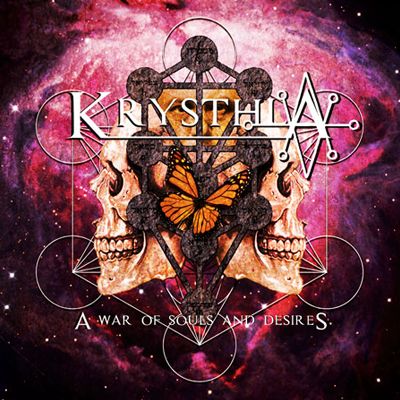
Aside from having one of the best releases of 2015 (in our humblest of opinions), A War Of Souls And Desires, and a killer live show, Krysthla have been all over the metal media. Terrorizer called them ‘ruthlessly precise’, while Metal Hammer described AWOSAD as a ‘perfect gateway death metal album', and tipped them as their Hot New Band. Gracing metal charts and HMV’s in store Recommended Buy stalls, they surely made an impact not usually accessed by underground bands. This was thanks in no small part to the exemplary PR work of Stampede Press, although we get the feeling that Krysthla’s fantastic sound and solid effort may have had something to do with it, too. For those who want some more information on this campaign, read UIP’s interview with Stampede’s boss, Rob Town here


(Krysthla's video for Luminosity premiered via Metal Hammer)

TBFM launching Breaking Bands

Few radio stations can lay claim to doing as much for up-and-coming rock and metal talent as TBFM. They even started a record label, acting as a stepping stone for emerging artists looking to develop, and aiming to take them to the next level, rather than take them for every penny they make. Following the ethos of the rest of the TBFM universe, in 2015 the company launched Breaking Bands Festival; a three day event designed to ‘bring the very best of the bands of the future into one place’, putting them alongside the likes of Breed 77 and Blaze Bayley. The bands who were chosen to play, performed at a sold out event, which was also shortlisted for Best New Festival at the UK Festival Awards & Conference 2015. The second Breaking Bands Festival is due to take place in Bromsgrove, from the 27th to the 30th of May in 2016, and it will be interesting to see how things pan out for the venture in future.

(The Heretic Order live at Breaking Bands Festival 2015)

Fear Factory’s nostalgia tour with Dead Label


Whether you love ‘em, hate ‘em, or fall somewhere in between, Fear Factory were pretty big news to us back in the mid to late 1990s. While some might feel that they have lost their edge on recent releases, there’s no arguing that Demanufacture stamped its existence all over the metal world, and recent touring has seen it performed in full at every show. If you didn’t already know, the term for this is ‘nostalgia touring’, taking old classics that people know and love out on the road for almost guaranteed financial return. Big bands have been doing it for years, but in FF’s case, it was an exciting occurrence for two reasons. First, this is traditionally the territory of giants, so, while everyone is saying there will be no festival headliners in the future, if bands of FF’s vintage are doing nostalgia tours, they might just be the resounding answer. Secondly, being pretty sure that it was going to be successful, they grabbed hard working (and self-booking, from the looks of it) Irish band, Dead Label, as touring support, showing that the upper end of the industry isn’t closed to underground bands with a solid work ethic.

(Dead Label performing Ominous live in Madrid on Fear Factory tour)

Bonus entry No. 6 – Hordes Of Belial turned six

Yeah, at the beginning we agreed on a list of five things, but being part of Critical Events (the company behind Hordes Of Belial) UIP was incredibly pleased to see Hordes make its way through a sixth year, putting its existence past the half-a-decade mark. Despite the ridiculously good line-up for the 2014 edition of the metal showcase event, the finances didn’t work out that year, and it took a bit of thinking outside the box, a fistful of scrabbled cash, and some stubborn determination to see the show go on again this year. Experiencing new bands taking part in something bigger, and established names play to an intimate, appreciative crowd is its own reward, but none of us have infinitely deep pockets. However, everything came together for ‘The 6th Verse’ this year, and we’re very happy to tell you that arrangements for ‘Hordes Of Belial – 7 & Hell’ are well underway, with the venue booked for October 1st 2016, and some brilliant bands already in the works!

(All Consumed live at Hordes Of Belial - The 6th Verse)

Well, we hope you enjoyed our list. Maybe you’ve just discovered a band or someone working in the industry who really impressed you, too, or maybe you want to get more involved in our corner of the music world. Then again, maybe this article has just filled you with rage at our inadequacies. Either way, feel free to share and comment, but please, do keep it as polite as you can!

Until next time!


Tuesday, 29 December 2015

Ahead Of The Herd

Stampede Press: raising up the thunder

IT has been quite a while since a subject grabbed enough attention to draw an article out of Underground In Prydain. Last time, we posted an overview article on the opinions and issues surrounding PR for underground bands. Some PR campaigns at lower levels can be truly amazing in their level of success, but there is no shortage of the shared opinion that, for smaller bands at least, it can be a wasted effort. As in the past, UP set out to get some inside information from those in the know.


A mention as one of the UK’s most impressive underground metal PR campaigns of 2015 surely has to go to Krysthla’s A War Of Souls And Desires. Astounding a release as it may be in musical terms, the breadth of coverage and activity it received was truly impressive to behold as it unfolded throughout the year, and it was due in large part to the sterling work of Stampede Press. Underground In Prydain dragged a chinwag out of head honcho, Rob Town, to see if he’d spill the beans on the much sought after magic formula.

Underground In Prydain: Hey Rob, how are you today?

Rob Town: Hi, I’m very well thank you.

UIP: Have you been having a good winter season/Christmas so far?

RT: It’s been an interesting year/month for me so far for sure. Lots of meetings, winding down projects for the year and making plans for 2016.

UIP: What were looking at in this article is the effectiveness of PR, and whether, as well as when, its worth a bands time and money investing in the practice. Do you think that seeking outside help with PR can be a poor choice for smaller bands?

RT: The realisation of the internet, especially over the past few years, has seen a huge upturn in bands being profiled. With the online tools available to everyone, some may argue the need for PR. For me, PR will always be relevant, especially if the band/artist has something that needs to be brought to the attention of people, and a reputable PR company can reach relevant people faster.

UIP: What do you think of artists running their own campaigns? Have you seen any recently which have impressed you?

RT: I’m of the opinion that a lot of bands, especially those in their infancy, can do a heck of a lot themselves to bring attention to the band and shouldn’t need the services of a PR company. I come from a background where I did PR for my own bands. It doesn’t always work but you can gain a heck of a lot of experience and exposure from doing it yourself. You just need to be realistic and focus as much of your energies as you can on making the best music possible.

UIP: What, in your opinion, is the best thing a band can do to raise their profile, if they cant afford to pay for external PR?

RT: Basic things like gigging, contacting local press and media, getting them to shows to watch them live. That’s the key for starters; live music is where you really make the connection, and help change people’s perception of bands. I’ve seen some bands involve other passionate people that have helped put them under the noses of important people, and its produced results. The trick is to ‘create a demand’ whatever the level you’re at.

UIP: Your campaign with Krysthla this year was really quite the business. How do you go about starting off something like that? What was ‘phase 1?

Krysthla's debut full length, A War Of Souls And Desires

RT: Krysthla have great music, and are doing something a bit different. They’ve a good attitude, and are prepared to do whatever it takes.  I had a fantastic platform with the band, and was able to ‘go to town’ with this project.

UIP: The band roots in Gutworm seemed to play a major part in the early stages. Was that an important factor for you, in terms of getting the ball rolling?

RT: Absolutely. Gutworm achieved some success in their time, and that resulted in connections being made, connections that I also have.  So, when it came for the time to service the album, we were in a really strong position to kick things off.

UIP: It really seemed effort was put into getting an even spread of coverage between online media and traditional publications. Was that a conscious approach?

RT: We had/have a lot going on. My work ethic has always been to never saturate, nor to rely just on the end result. There’s things you can do yourself to reach a wider audience, and expose them to key news pieces over a longer period of time. That’s when things can really get interesting.

UIP: What many people may not know is that paying for PR isnt a guarantee. Sometimes the results you want or expect dont materialise. Was there anything you were hoping to achieve that didnt quite get the results you wanted?

RT: There’s always something you might not get, or may not get straight away. The days of a 3 month PR campaign producing results that can help elevate bands to another level are no longer here. Sure, it’s important to have a strategic service period for new releases but in my opinion, it’s what happens before, during and after a PR campaign that matters. Bands are now their own marketers, and this is where it gets tricky as to what works and what doesn’t, and where it places bands in the grand scheme of things.

UIP: As someone who was originally a musician, what was it that prompted you to take the dive into PR?

RT: Pretty much since I was a kid I had an interest in music and marketing, and as I grew and got into bands I would try and help develop our profiles. 2003 was a massive change for me, a life changing event where I threw caution to the wind, left my full time career and took the plunge with a band. Thankfully, it was the right move, and all throughout that time I carried out a lot of the PR and marketing for the band whilst, experiencing some incredible events, and gaining a wealth of knowledge and skills. After I decided to leave the band, and the fact that I couldn’t get a job at the time, forming my own PR company seemed a natural thing to do.  What’s really interesting has been the need to diversify and become a consultant, helping bands navigate the music business, and prepare them for upcoming releases, prepare for a PR campaign etc. It’s led me to meet a lot of different people. It’s through my experience of being in a ‘semi successful’ band (that led to co-owning a record label, co-promoting prolific tours, co-management, etc.) that I can justify my position, and help talented musicians avoid pitfalls where possible and move forward.

Rob Town: international man of mystery. And music.

UIP: In past articles, Ive closed with asking interviewees if they have any closing advice. In this case, Id really like to split this one in two. Firstly, would you like to add anything for bands trying to decide whether to get help with PR or to go it alone?

RT: I think, in this day and age, getting your ‘road legs’, and crafting your music to be the best it can be, is the most important thing for any band. Do whatever you can yourselves to gain interest, in a positive manner, through live shows and clever online profiling. There’s lots people can do for themselves to start with to gain interest, and it’s crucial to experience basic things that all bands should in order to really understand what’s going on. If a band is at a level where they’ve caused a stir, a real strong buzz and don’t have the means to connect to more press/media outlets - that’s the time to approach a PR company.

UIP: Secondly, what about those who fancy sitting on the other side of the equation – people who are thinking about getting involved in working in PR?

RT: PR is a passion, just like making music. I tend to work with bands that I’m passionate about, and can relate to what they’re trying to achieve. Whilst it’s not a necessity, I believe my experience of being in a band has helped me in my role as a publicist. Understanding your clients’ needs is a must in my book, and managing their exceptions can be tricky, but if you’re honest with them from the start, and work hard and smart, it can produce some fantastic results.

Sunday, 27 December 2015

Standing For Attention

Hello! Can you hear me? Do I have your attention?

The music scene is a noisy place, and with more access to connection between bands and music lovers than ever before, everyone is screaming out to be noticed, to greater or lesser degrees. Traditionally, the role of PR agent involved managing communication between an artist and their public, via press and radio, allowing them to concentrate on creating their art. New media has somewhat transformed that function to delivering as loud as possible a voice within the potential fans' own digital space. With a new shouting contest in full swing, you can imagine how important the handling of a band's message can be in making sure they show their individual character in the best light. What are the benefits of going it alone, or seeking help?

Outside of the music industry, yet claiming some connection in culture, Brewdog have been through the ringer a little recently, fighting for a positive position in public opinion, not least of all in their approach of trying to maintain a genuine persona as a brand. In relation to our subject matter, some online users have been digging into Brewdog for the apparent duplicity in stating that PR is unnecessary, while simultaneously announcing their new PR deal with agency The Romans. It could be argued that this is perfect example of the need for professional PR, but surely that doesn’t mean it is an absolute imperative.

Naturally, there are certain points in a musician or band’s development at which such assistance is more viable than at others. While the first ever rehearsal with a new collective of musicians may be very exciting, it’s pretty much a given that it isn’t the time to fork out for a full-blown public relations project. You will, at the very least, need some product for people to get into to make it worth your while. Then again, just because you do have a release to plug, doesn’t necessarily mean you should be setting up a deal with a PR company. As has rightfully been pointed out in the past by the likes of Lisa Coverdale of Hold Tight PR, you have to have a fairly serious outlook as well.

So, if not securing the services of PR company, then what? A lot of what needs done can be done by the musician themselves, if they have the time and the knowledge to make it work. Just as the purpose of PR has been modified by the influence of new technology, so has access to the means to achieve it. Not something every artist will find a natural environment, though, so the answers seems to remain a complex one.

Of course, as with most of the issues we get stuck into here at Underground In Prydain, there is an abundance of advice available on the web for those who are just starting to delve into running their own PR, and many of them, such as this quick-list from Cyber PR provide a snappy introduction. It’s a good place to start, but these guides do tend to be broad and non-specific. Here’s where a bit of investigation comes in handy. In the next article, UIP picks the brains of Stampede Press owner, Rob Town.

Wednesday, 10 September 2014

Hedged bets and clever spreads

In the last post Underground In Prydain discussed the relevance of physical releasing to the unsigned artist. Is it worth forking out more to reach a wider audience after the initial costs of getting your music recorded? There are so many ways in which to invest your funds, with no clear evidence as to which is most effective, and it would be impossible to experiment with trial and error for each and every one.

Technical death metal outfit, De Profundis, have recently unleashed an EP sampling of tracks from their upcoming full-length, and they’ve gone down a slightly different route than others may pursue. Splitting the release between a self-managed digital campaign and collaborative physical distribution with Terrorizer magazine, have they hedged their bets a bit too much, or delivered a perfect method? We take on founding member Shoi Sen in an attempt to find out.

(De Profundis' 'Frequencies: An experiment in releasing methods?)

UP: Hi Shoi, how are you today?

SS: Hey! I am cool. How do you want to do this?

UP: I have some specific questions, but we can generally just shoot the s***! Sound good to you?

SS: Yeah, cool.

UP: Well, we’re currently discussing releasing methods and physical formats. Do you think CDs, vinyl and tape still have a viable place in the future of music?

SS: I would love to think so, but it’s becoming increasingly difficult to justify the cost of printing physical formats. The only glimmer is that in metal people do like to collect. We sold a lot of CDs on the recent tour with Malevolent Creation, but I can't see big numbers of physical copies being churned out for much longer

UP: Do you think everyone's really going to make the move to digital, full-time?

SS: I think it will be a mix to be honest; physical copies as collector (pieces?) and the rest digital (sadly). I don't think physical copies will totally disappear in metal, and jazz, which has a lot of collectors as well.

UP: Right enough, you recently put out the EP ‘Frequencies’, first through your own digital campaign, followed by a later physical magazine distribution. What sort of reaction did you receive for the digital release?

SS: The overall reception of the EP has been really fantastic to be honest. In the past all our releases met with either with ardent support or pretty vocal detractors. This time around it does feel that we have managed to capture a more universal sound. I think people have really liked the idea of offering a taster for the album as a digital release, but again we've had some grumbles from people that want physical copies. Overall we are extremely pleased by how people have taken to De Profundis, and we've noticed at shows that people are coming the merch stand and buy all the other albums  straight away.

UP: It was a free release, wasn’t it?

SS: Yes that helps, too! We deliberately wanted to keep it that way, so a maximum amount of people get to hear it, and again we've been pleasantly surprised. The EP was available from Bandcamp where people could name their price, and you know what? A lot of people actually paid for it! I know Craig, our vocalist, didn't think anyone would pay, and he's been surprised as well. So, there is hope out there.

UP: So, this was purely a promotional drive, was it?

SS: Absolutely. De Profundis’ biggest issue has been lack of awareness, and this was, in our mind, the best way to address it. Also, the point of the EP was that the album would follow after that, so instead of sitting on one release for 2 years we stay in the news with the album.

UP: It’s interesting that you still found people were unhappy about the lack of a hard copy, then. It’s free, but there’s still a demand for a real physical product

SS: Yes, like I said I think there is a still a faction in metal that likes to collect, and who are unlikely to disappear completely - I hope

UP: That relates to something you mentioned earlier: record sales at events

SS: Yes, absolutely! Let’s face it, a gig is the moment that people have technically dropped their guard, especially if they’ve liked your performance, and that's the moment they are most likely to buy . But you know the funny thing? We've toured with some big bands like Marduk, Immolation, and Malevolent Creation, and none of them sold CDs at their stands. I don't get it.

UP: Maybe the old model is still working for them, and they’ve already sold their records before heading out. They are some fairly big names

SS: Perhaps, but I don't think it hurts to get a stock from your label.

UP: Some people love a souvenir of an experience

SS: Absolutely

(Recognition has been hard won and a long time due, but seems to have arrived)

UP: Going back to the plan of using the digital release simply as promotion, was this the same intention behind the physical distribution through Terrorizer?

SS: We wanted to make sure a maximum amount of people get to hear it, and using the distribution of Terrorizer was a good way of doing it. Also, being in a major magazine sort of legitimises your band as well.

UP: It’s something many musicians might not have much experience with. A track on a cover-mount CD is one thing, but a whole release? How does that process actually work?

SS: I know Miranda the owner of Terrorizer, and asked if we could make the CD version of the EP a Terrorizer exclusive, and she welcomed it as she is a fan of the band. We didn't want just to be on the cover mount, as I think the full CD would get more notice

UP: I hope you don't mind me asking, but was it expensive?

SS: Yes, but the cost was linked to printing the CD as well

UP: Would you say it was worth it?

SS: At the moment it’s difficult to say as the magazine wasn't distributed when it was supposed to be, ie before Bloodstock so the idea was good, but the execution not so much.

UP: It is kind of a new process for both parties, though. Could that simply be a case of a learning curve?

SS: Not really, they've done it before. The problem is that the subscribers got their copies of the mag a month later when it was already in the shops

UP: Was that the only option for getting hold of a physical CD?

SS: At the moment yes, but we may envisage something else, let’s see; perhaps a limited vinyl run.

UP: Something a bit special for the enthusiasts

SS: Yes, it would be nice. Let’s see. Perhaps do it as a pre-sale before ordering. To be honest we will gradually be shifting our attention from the EP to the album, now.

UP: Which, again, raises the same concerns of format itself.

SS: We are currently looking for a label. The plan was always for the album to come out on a label, and obviously we are looking at this point at physical and digital versions

UP: What do you think you'll do release wise if the label option isn't available?

SS: Let’s think positive! Honestly we don't know yet. I think De Profundis has been gathering enough buzz lately that we should get a label.

UP: Oh yeah, always think positive! What I mean is, are there other releasing methods you have considered for the full album, rather than the EP

SS: Not at the moment, but in the past we have thought about setting up our own label and going down that route, but I think the band needs a bigger fan base to afford that.
UP: Isn't that essentially what every unsigned band does when they put out a recording?

SS: Yes, pretty much. Not sure if it works. We did it with our first album, and the reach was limited.

UP: You build up a network over time, though. For example, you recently signed a PR deal, didn't you?

SS: Yes, we have. It’s been a long road, but we've met people that really believe in this band, and are actually pushing it, which is very encouraging.

UP: The company (Imperative) is run by some quite experienced, well connected individuals. Do you think it could give you some of the advantages you would see from a label?

SS: Yes, actually we are in discussion at the moment about extending our work with them. It would be better for us to work with people who are well linked to the industry. You get to a point where contacting people as the guitarist of the band gets a little too much. People just ignore you.

UP: Ah yes, the old music industry adage that having someone else do that part of the work brings legitimacy.

SS: I think that's true. It’s made a real difference on the live front since we've had (Euro booking agent) Nazgul.

UP: So, you have a booking agent agreement, too?

SS: Yes, Nazgul Booking Agency has been our booking agency for the last 18 months, and in all honestly our career just picked up from that point. They've been pushing us like mad, and we've done 4 tours with them already, and they got back to Bloodstock .

(Shoi Sen: Mad metal magician, or so this pic may suggest)

UP: Your PR is covered. Your live campaign is covered. All that really needs taken care of at this stage is distribution. If physical is on the way out - or down, perhaps - is a label really the answer?

SS: I think being on a good label is important because it legitimises you a lot more, you get offered better slots on tour, etc.

UP: So, there's still a prestige attached

SS: Yes, absolutely. If we were on Century Media I know we would get more festivals and touring offers. It goes without saying, especially with the infrastructure we have around now.

UP: It seems to be a case of predicting a series of building blocks.

SS: A little. I think it is just knowing how the business works. I’ve been doing this for a long time now, so I know what needs to be done to get somewhere. Unless you have a gimmick, of course

UP: Well, Shoi, it’s been an absolute pleasure! As at the end of every interview, I’d like to ask one last question: Any closing advice for independent artists looking to unleash their latest opus for maximum impact amidst the war between digital and physical formats?

SS: Thanks! Always cool to talk about these subjects with you. I think for anyone out there wanting to release their material today, you have to have an excellent grasp of the internet and social media tools. We took a bit longer than some other bands and still learning. I think for any new band, releasing digitally is a good way, but have some physical copies ready to sell at shows; those buying will be your long term real fans!

UP: Fantastic! Thank you very much for taking the time out for this interview. I wish all the best with the full-length. I can't wait to hear it!


SS: Thanks mate!  We'll make sure you get it well in advance!

Wednesday, 3 September 2014

Forms of release

( Limited edition, artwork by band. Any takers?:Image by Altoscroll)

The issues surrounding releasing a new record have long been a bone of contention in the music industry. Many theorise, and with some strong supporting evidence, that people have to hear music before they are even remotely interested in investing in it. This means an artist’s work simply has to be out there, available for consumption. However, since the swell in free access to music via digital media, the question has been asked more and more often: is physical music a dead scene?

There are, of course, the stalwart, die-hard fans of the tangible formats. Some still hanker for the neat and handy cassette tape. Others are big supporters of vinyl, pushing it back onto the music industry radar, complete with large artwork and warming tones. Even though digital music is rapidly becoming a force to be reckoned with, CD is still responsible for around half of all revenue generated by recorded music. 

That’s great for the industry, but as regular readers will have noticed, these things don’t always translate directly to the underground band. Ask a musician friend or three! Based on personal experience, smaller artists actually seem to do much better selling hard copies of demos, EPs and albums at events than they do trying to convince their rabid fan-bases to part with the readies for digital music.

Then again, that does involve ‘on the night’ spending…

Naturally, there is a lot more for the independent artist to consider when thinking about putting a recording out there than balancing the books. Let’s face it, even some of the best bands you've ever heard are essentially pumping cash into an amazing hobby. There’s the sense of personal achievement. Seeing a 40 to 50 minute long album through to completion is something to be proud of. Not everyone can do that, and it might be all you need to share that with the world. There’s the fact that recorded music can be utilised as a loss leader or promotional venture, drawing attention to an artist’s other activities and merchandise.

However, even with the most basic yet efficient home recording set-up, it’s still not a cost free endeavour, and the amounts invested by even the smallest band are not to be sniffed at. If they were to seriously look into recouping the overheads of a recording project, would it better to try and minimise the outlay in getting the recorded music heard, or invest even more in the hope that it can reach more people. People who might become a part of their musical story, helping them to progress to greater things. It’s a gamble that might pay off.

Might…


But what methods should bands be investing in?

Wednesday, 27 August 2014

Seeking fortune in the bright lights!

Originally kicking off her music career in Perth, Scotland, Gemma Fox knows all about the struggles of a small town artist. However, she has also familiarised herself with the pressures of taking on the underground in the far more populous area of Manchester, England!

Performing vocal duties for metal acts Damagescape and Collibus, she is still as hard working as ever, but now, with the latter band, it seems she is getting some foothold on the slippery pole we call the music industry. Underground In Prydain sets out in this article to pry into the musical life of someone who has done the proverbial Dick Wittington, chasing their dream to the big city, and made it somewhat of a success.

(The False Awakening: A true...em...awakening)

UP: Hey Gemma, how are you this afternoon?

GF: Had a gig last night with some friends for a charity event, and a lot of beer was consumed! So, feeling tired and in need of coffee, but otherwise feeling pretty good!

UP: How many bands is that you're in now?

GF: There is of course Collibus, which has been gaining a lot of attention lately, but I'm in another band called DamageScape. I also play covers from time to time for fun!

UP: Good to see you're keeping busy!

GF: I have to or I'd otherwise go mad! And sleep a lot (more than I usually do).

UP: So, you’re from Perth originally?

GF: Yup, sort of! Grew up near Stirling, before moving to Perth for music college. I call Perth home as it's where I grew up, but as a musician!

UP: I think that's the case for a lot of people involved in the music scene there, because of the college.

GF: Yeah, (it’s) I where I first experienced gigging, and what it's like to be in a band and work with other musicians. And I love that every musician I met were all unique and diverse in their playing and style, which helped shape the musician I am today.

UP: It seems to have more than its fair share of musical talent really, don’t you think?

GF: They come and go, like myself, but the answer is yes. Perth has had a tonne of talent pass through it, and I think it leaves its mark on all of us.

UP: You certainly seem to hold a sort of fondness for it still

GF: Of course, that doesn't go away. When I was back very briefly a few months ago, it was amazing to see that nothing had changed. I met up my good friend Emma, another musician who has grown profoundly since our college days, and we ended up jamming at Grey Frier’s just for old time’s sake! It's so easy to fit back in like you'd never left

UP: A lot of people seem to feel the same, but it has to be said that, despite that, it isn’t really a music mecca of any kind

GF: For me, as I said earlier, it's a place to grow, but I felt I needed to move on after a while. So, after a bit of soul searching I ended down here in Manchester of all places! It was most definitely a move for the best, and I've achieved a lot since I've been here, but Perth will always be home

UP: So, that was a major influence on your decision to move south of the border?

GF: I knew I needed to do something else, something big. Manchester was really by chance. I was only meant to be here for a short visit, but I ended up joining Collibus and moving here.

UP: Sounds like a bit of a scary step into the unknown!

GF: I guess it was just something I needed to do to. Luckily, I have my dad down here and I was able to stay with him for a while, and it's always comforting to know he's just a short train (journey) away. So, not that scary! But it's never easy to leave the place you call home. I did alright though!

(Damagescape, featuring Gemma on guitar as well as vocals) 

UP: When you first made the move, right at the beginning of joining Collibus, did you notice a significant change in your musical activity?

GF: Back home, I was mostly doing the covers circuit, either on my own, in my duo with Emma, or my cover band at the time. All of which were a lot of fun, but I'd never really found an outlet for my own music. I tried joining one or two original bands, but they always ended disastrously. So coming down here, I got to experience a whole different type of music circuit. And it's damn hard work to always keep the momentum going and very rarely getting paid, but at the end of the day, it's still somehow more rewarding. At least the music I play is mine!

UP: Do you think the size of the Manchester scene is what has allowed you to develop your own music more successfully, then?

GF: It's a big scene for sure, especially for rock and metal, which is why I think Manchester suits me quite well! It's a great place for networking. Everybody knows everybody else, and the majority of the bands you come across are very supportive, so it's very easy to make connections and friends.

UP: It seems to have opened up a lot of opportunities for you recently: playing Rock The House, meeting Brian May, the slew of festival dates this summer. Do you think these things would have been achievable if you’d stayed up in Scotland?

GF: I guess I'll never really know for sure, but I don't think I'd find another band like Collibus, or a guitarist that can top Stephen Platt, unless Jeff Loomis or John Petrucci themselves give me a call! With Rock the House, we won that award because we stood out from every other applicant, and that's not me being big-headed; it's what I've been told from the competition founders Mike and Niki, who liked us so much they wanted to manage us. That has opened a huge amount of doors, and I think the band CV since then now speaks for itself! (We are) hugely grateful to them, and the competition.

UP: These things just don't seem to happen in smaller or more geographically remote regions, though. I'm a big fan of the unique (which is why I like Collibus!), but it's easy to see great bands seeming to suffer from being distant from places like Manchester, or London or New York.

GF: I guess that's true. Perth, for example, was very much a comfort zone for me. It wasn't until I ventured outside it that things started to happen for me. There are a lot of really talented musos out there who rarely leave their own little towns, and that's great if that's what makes them happy. But there's more out there if you care to take a look...

UP: A case of whether you're happy to be a big fish in a small pond, or a small, aggressive one out in the big wide ocean..?

GF: Ha, yeah, something like that!!

UP: Essentially, the opportunities are there in these big places, but they are a challenge, and you have to be willing and able to conquer them.

GF: Of course it's a challenge, and I don't think that will ever stop, but I guess it depends how badly you want it!

UP: True, there have always been those with the drive and those without.

GF: It's about having an ambition and a goal, and then figuring out how to achieve it. I'm still figuring it out... I'll keep you updated!

UP: So, we’re seeing plenty of action in the public eye, but would it be wrong to assume that behind the scenes of these somewhat high-profile turns of events, there are other cogs moving in favour of the Collibus machine?

GF: The cogs are always in motion. This year has all been about building the band cv (with some great references too as a nice bonus, I might add) so that we can up our game for the next phase. With Mike as our manager, he's very much a man with a lot up his sleeve, and doesn't like to reveal too much until the timing is right. We just know he has big plans, and so far everything else he's done has paid off immensely, so we shall just have to wait and see what happens next!

(She came, she saw, she kicked ass. Gemma Fox)

UP: You’ve painted a pretty solid picture of your experience for us! Thank you very much for your time! It has been much appreciated!

GF: No problem. Makes a nice change chatting about where I came from to how I got here! (I still ask myself from time to time, so I'll be sure to read it back)

UP: One last question before you go:

GF: Go on...

UP: Any closing advice for those toying with the idea of looking to the big city in their quest for musical development?

GF: Go for it! If you're feeling like you need something bigger than what your town can offer you, then do it. And by no means am I saying it will be easy, but you have to follow your heart. At the end of the day, wherever you call home will always be there waiting. Do you want to be there waiting with it? Or leave it behind and be able to come back from time to time and tell stories of where you've been and what you've done? And that's not just about music. That's about life.

UP: Spiritual words! Thank you again, and good luck with the future! From the sounds of it, you'll make the most of what it has to offer!


GF: I shall try! Cheers!

Wednesday, 20 August 2014

Location, location, location!

I know it's out there somewhere! - Picture: David Prestidge

I’m sure most people who have had a serious relationship with music will have realised some time ago that certain places are music places. There’s no denying how important London was to the development of punk, Birmingham was to metal, or Manchester was to britpop. These are heavily populated centres where large audiences could be drawn in to listen to new music with relative ease.

However, a lot of the most influential artists haven’t originally come from these places. For example, look at Nirvana – one of the biggest names to have come out of the early 1990s grunge movement, centred in Seattle. Yet, they were actually from Aberdeen, Washington - a harbour town with barely more than a quarter of the population of Perth, Scotland - over 100 miles from Seattle itself. Incidentally, this is little further than the distance between Perth and Aberdeen in Britain, which can at times be worlds apart in musical terms.

The geographical birth place of great and influential music isn’t always within the city hubs you might expect, but moving to these places has traditionally been the point at which bands and artists have taken the first step into the big leagues; Axl Rose from Lafayette, Indiana, Muddy Waters from Rolling Fork, Mississippi, and Ian Anderson from Dunfermline, Fife, all developed fantastic careers which began with venturing into more music-centric territories.

Once again, however, the internet age rears its head to complicate the issue, with its ability to bring together artists from all corners of the globe. The UK has recently proven to be favourable ground for emerging foreign acts such as India’s Demonic Resurrection and Egyptians Scarab, facilitated in no small part by the enthusiasm of online communities. These bands are not of huge international standing, but are big names in their home territory. As such, they haven’t had to up sticks and follow the masses to those rumoured streets paved with gold.

Closer to the UK, Gojira have also defied the logic of relocation, remaining in the place where they formed, (Ondres, France, a small village near Bayonne), while still breaking through as a respected name in modern metal. There seems to be an shift occurring in the intangible plates which hold the music world together, but nothing appears cast in stone, if it ever was. The assumption that you have to be somewhere specific to get ahead may not be sat on such a solid base anymore.

Does location, or re-location more specifically, really affect the opportunities open to the modern underground musician in Britain, or has the playing field been well and truly leveled by new media?


Let’s go find out! Hopefully the bus fare won’t be too steep…

Tuesday, 22 July 2014

Time to take a time out!

Underground In Prydain is currently on a sabbatical.

This is mainly due to the content creator having a high demand on time in other areas.

All activity will return to normal in early August.

In the mean time, please feel free to have a good read through the other articles available in the post archive below.

Thanks!

UP

Tuesday, 15 July 2014

The Speed Of sound

Last week, UP gave an overview of the advantages and draw backs of releasing a continuous stream of music. Is it the best way to keep your band in the public eye in an environment where attention spans are even shorter than they were at the birth of MTV? Or does it detract from the impact which one bigger push could have every once in a while.

In the past 7 years, bassist Chris Ryan has been involved in double figures of releases, most notably with death metal misfits Party Cannon, who are working on their first full-length for 2015 and have stomped their way around Europe with very little external support. UP bothers him for a suitably quick shooting interview about his persistent prolificacy.

(A sure fire approach to sticking out from the DM crowd)

Chris Ryan: Hey!

UP: Hello there, how are you tonight?

CR: Not too bad man, yourself? Ready to do this interview?

UP: I think so! If you saw the brief article I had circulating this week, you'll have noticed it was discussing the amount of music artists release. So, 11 releases for you, is it, in 7 years across various bands? The first question that begs to be asked is ‘are you possessed’? Who writes that many songs?

CR: Is it really 11?

UP: I think so, including EPs, demos, albums. I take it you lost count?

CR: I never actually thought about this, I'm sitting counting on my fingers all the recordings I can think of. Eh, well the only band that I've written songs for that has released anything is Party Cannon, so it's not so much as being "possessed" more just, piggy backing on other peoples' writing

UP: Even so, it's a fair few releases to be involved with, and Party Cannon isn't looking like slowing that pace down any, is it?

CR: I hope not anyway! This year has been the busiest for us in terms of gigs

UP: Yes, and some quite significant ones on the underground scale

CR: You could say so, but I'm just happy that we're managing to frequently get to Europe and see new places

UP: It's something a lot of bands struggle to get nailed down

CR: Luckily for us, our genre is so niche and small that it's easy to network and move around. The fans of the style are usually really understanding of the effort put into  travelling by bands like us and are very appreciative

UP: It is nice to see your hard work getting credit! I'd like to pull you back to the issue of rate of releasing music, though. Party Cannon has been active for about four years now. According to online sources, that's 2 singles, 2 demos, an EP and a live album, with a studio full length planned for 2015.That's still some pretty quick work for an underground band

CR: You think? I feel the recording side of Party Cannon has been going at a snail's pace. We've had so many line-up changes that it's made getting new material solidified pretty difficult. For example, our 2013 EP was meant to come out in 2012. Like, the middle of 2012

UP: So you’d rather be going faster?

CR: It's hard to say, I'd rather things took the time they need to be right, but at the same time, it's fun having new songs

UP: Is it actually a decision you make, or made, or do you simply churn out song after song after song?

CR: In the past when we've recorded it's always been a case of having session drummers, so we've always had to focus on what little material we had at the time. At the moment we're in a better position to start churning out songs now that we have a consistent line-up.

(Be prepared to party. And slam. Again. Soon.)

UP: It’s interesting that you previously mentioned the songs taking as long as they need. The only place this seems to be heavily discussed in music is in rap, R&B communities. It’s probably far more extreme, considering the ease with which you can roll out a mix-tape. There, the theory is circulating that the quick succession of releases is linked to a poorer standard of work. Do you think the quality suffers working at such a high rate?

CR: It's down to the people producing it I guess. Personally, if I had to work to a deadline and produce say, 8 songs a year, then the quality would definitely suffer. But I'm sure there's people out there that just excrete good songs.

UP: It also becomes harder to better yourself as you go on

CR: Yeah for sure, trying not to repeat yourself is the hardest part about writing

UP: What about the other side of that coin? Do you think that consistently providing new content  helps to build a relationship, or a better relationship, with listeners?

CR: It definitely helps to put out stuff semi-regularly, keeping you fans waiting a long time isn't good. Look at Necrophagist

UP: I'm not so familiar with their story, actually. Could you fill me in?

CR: Their last album came out in 2004 and they kept making statements saying they were going to release a new album in 2012, then completely disappeared

UP: Ah, so you think this had something to do with their lacking consistent output?

CR: More than likely, they haven't made an update in years

UP: Then again when is a lot too much? Could a band stumble into overkill?

CR: Definitely, I know some bands that have an obscene discography full of random splits, demos, promos, EPS. It just gets to the point where you have no idea how to keep track

UP: Have you ever given up on a band because of this?

CR: Not really given up, but it kinda puts me off exploring their discography a bit. I'll end up just listening to whatever the first material I found was. But that's just me, I'm sure there's people that love bands with hundreds of obscure 7" splits, demo promos, etc.

UP: It seems a bit of a balancing act

CR: Ideally, I'd like to keep things to around one release a year, be it an album or a split

UP: I noticed that in the same month as announcing Party Cannon will be putting out a debut album, you’ve also started some drum play through videos. Was it part of the plan to keep the ball rolling while you build up to something bigger?

CR: People have been requesting play through videos for a while, and we all personally enjoy it when bands post stuff like that. I guess it keeps people interested until the album is ready

UP: Would you have done it if they hadn’t asked?

CR: More than likely. Martin, our drummer, has been making play through videos for his other band for a while now

UP: I must admit, I like behind the scenes videos as a way to connect with the audience

CR: Yeah man for sure, I absolutely love making-of documentary and tour diaries

UP: Have you done this with your other bands?

CR: Iniquitous Savagery attempted to make a diary of our US tour, but all the footage turned out pretty boring, There's a recording video of Party Cannon, but it's mainly a compilation of us fucking up takes

UP: I think Pantera, for example, were really good at this. Those guys took cameras everywhere

CR: You know, I've never actually seen the Pantera home videos

UP: It’s basically a lot of crazy mucking about with some music videos in there!

CR: Sounds pretty good! 

UP: I like it! Let’s go back to yourself as a ‘musical entity’ - Do you think the more or less continuous stream of music you’re personally involved with helps build up all the projects, or do they each stand on their own?

CR: I would definitely think they stand on their own, I don't think Party Cannon has been boosted by me being in Iniquitous Savagery and vice versa

UP: So, equally, the amount you put out from one band is unlikely to swamp fans of the other?

CR: I doubt it would. I don't think fans of either band think about me too much when listening to the music

UP: You're my gateway to both, since the Psychoanalysis days

CR: That's due to being a local thing though!

UP: True, it could be a local/social thing. Again, that's somewhere where there is more pressure to be 'present' now, with people constantly on social media

CR: Totally, especially with the way Facebook works. If you don't keep posting 'like-able' content, your posts' reach diminishes

UP: Do you tend to get more feedback on new stuff online?

CR: Definitely man, especially with the majority of our fanbase being aborad

UP: How do you mean?

CR: From what I've found, the majority of our fans seem to be in Europe and America, and the only way for them to give us feedback really is online

UP: Got you! The positive side of the internet for musicians, especially those in niche genres.

CR: If it wasn't for the internet, I would not be into death metal

UP: Wow! That’s a significant statement to make!

CR: HMV doesn't exactly stock Repudilation CDs

UP: I actually worked in Virgin Megastores when they were in Perth, and you know what? I found a great stack of fantastic heavy stuff that just hadn't been put out!

CR: Really? Anything like Disgorge or Digest Flesh?

UP: There were a couple of quite obscure death and black metal albums, but I remember Napalm Death gathering dust in the stock room

CR: There used to be a Music Zone in Dunfermline and that pretty good for getting stuff like Cannibal Corpse and Obituary, but for the bands I'm really into these days their stuff is only available through dedicated online distros

UP: And I suppose those labels can only afford to carry so many releases

CR: I think their stock is made up by trading with other labels

UP:And again we come back to the social aspect. Which has been largely enabled by the internet

CR: Definitely

(This is Chris: He wants all the gigs. Aaaaall the gigs)

UP: So, you’ve got recorded output, touring, behind the scenes content, and connecting with your audience via social media, all coming under pressure to perform: not too much, or people turn off. Not too little, or a band could just disappear in a puff of smoke. Is there any real way to decide how to balance all these things out, individually or against each other?

CR: It's really hard to say what is the best way as it seems to vary from band to band. For example, we were talking about Necrophagist not releasing anything and that being bad for their fan base, where as Guttural Secrete took ~6 years to release their second album and they only got more popular during the wait. Then you have bands that only put out releases and don't perform live that are hugely popular. What I've found works for my bands is gigging as much as possible in as many different places as possible. As long as you're hitting different places with bands that a draw a crowd, you are likely to gain a following

UP: Just get out there and do it, and let the rest develop naturally?

CR: As long you have one or two decently recorded songs, then pretty much. Look at Cerebral Bore, they only put out a demo and a single and then toured everywhere for years

UP: Well Chris, thank you very much for lending us your experience. It’s been fast and friendly! I can’t wait to hear your full length when it lands next year, and wish you all the best with it and with taking the party on the road!

CR:  Thanks for taking the time to interview me, had a lot of fun! Can't wait for Hordes Of Belial In September!